ServicesRoof Inspections
Roof Inspections in Bethany, Explained Photo by Photo
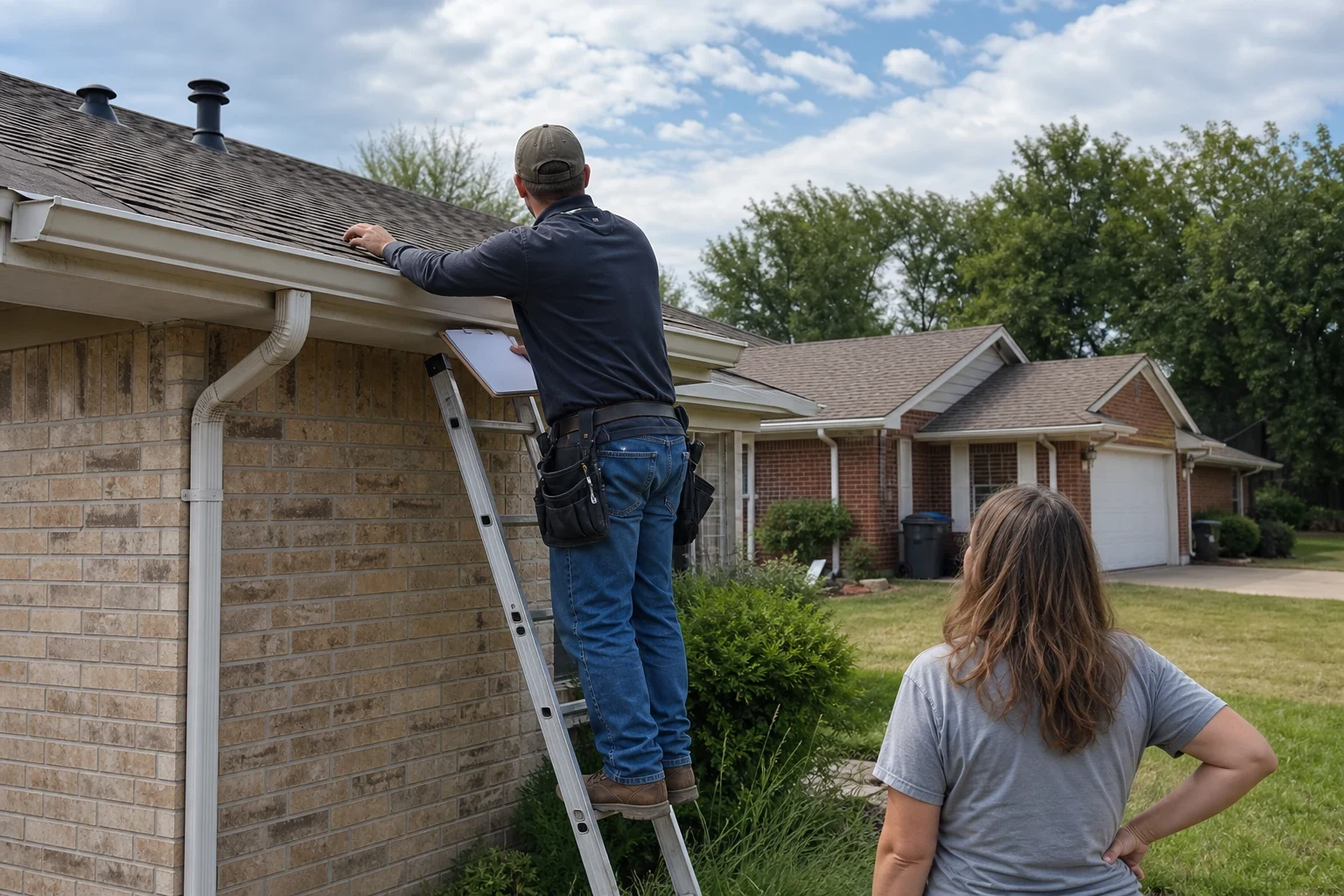
We walk your roof, check the attic and photograph each problem we find, from hail bruises to lifted flashing. Then we sit down with you and explain what it means, what can wait and whether the damage is worth raising with your insurance company.
What a Roof Inspection Gives You
Most roof trouble starts small and out of sight. A cracked pipe boot, a few creased shingles after a windy night or granules washing into the gutters rarely show from the yard. An inspection finds those things while they are still cheap to fix, and it gives you a record of your roof's condition on a specific date.
That record matters if you ever file a claim. Oklahoma spring storms bring hail and straight-line wind, and adjusters want to see clear, dated evidence. We bring 30+ years of roofing experience to telling fresh storm damage apart from normal wear, so you know where you stand before you pick up the phone to your insurer.
We will not tell you that you need a new roof to make a sale. If the roof has years left, we say so.
What We Check on Every Inspection
Shingle surface and seal
We look for hail bruising, missing granules, cracks, curling and shingles that have come unsealed in the wind. Each problem area gets photographed with something for scale.
Flashing and roof penetrations
Chimneys, walls, skylights, vent stacks and pipe boots are where most leaks begin. We check for rusted or lifted metal, dried sealant and rubber boots that have split from sun and cold.
Attic and decking
From inside, we look for water stains, damp insulation, daylight around nails and soft spots in the decking. This tells us whether a problem has already reached the wood.
Ventilation
Poor airflow cooks shingles from underneath in summer and causes frost and moisture in winter. We check intake and exhaust vents and note anything blocked or missing.
Gutters and downspouts
We check that each gutter run is held firmly to the fascia, slopes so water actually reaches the downspouts and is not clogged with leaves or shingle grit. We also look at where each downspout empties, since water dumped beside the foundation causes trouble of its own. Dents in the metal help show how large the hail was.
Signs It Is Time for an Inspection
A recent hail or wind storm
If a storm was strong enough to dent cars or strip trees, have the roof checked even when it looks fine from the yard. Claims usually come with reporting deadlines, so sooner helps.
Grit building up in the gutters
Some loose granules right after a new roof goes on are expected. Ongoing buildup from an older roof means its shingles are losing their protective surface.
A fresh stain on a ceiling or wall
Stains usually show up well after water first got in. Instead of guessing, we trace the moisture back to its entry point.
Shingles in the yard
Creased or missing shingles leave the underlayment open to the next rainfall.
A home sale, purchase or refinance
A written report on the roof's condition, with photos, gives both sides solid facts to rely on.
What Happens During Your Inspection
- 1
A short conversation
On the phone, we ask what made you think about your roof, when the last big storm came through and whether any water has shown up inside. Then we pick a visit time that suits your schedule.
- 2
Outside and on the roof
We walk the yard, then go up and work across each slope, photographing damage, flashing, vents and anything unusual. Ladders are set carefully, and we keep off landscaping.
- 3
Inside the attic
With your permission, we check the attic for moisture, stains and ventilation problems. This usually takes a short time and we leave things as we found them.
- 4
Your findings, explained
We go through the photos with you, separating storm damage from age and wear. You hear our honest view on repair, replacement or no work at all, and if a claim looks reasonable, we explain how the process usually works without acting as your adjuster.
What Changes the Price of an Inspection
The price depends on the roof in front of us and how much detail you need on paper. When you call, we ask a few questions and let you know what applies to your home before anything is booked.
- Size and pitch
- A large or steep roof takes longer to walk safely and photograph slope by slope.
- Attic access
- A tight attic hatch or a home with no attic space changes how we check the decking from inside.
- Depth of documentation
- A quick condition check takes less time than the detailed, slope-by-slope photo set you may want for an insurance claim or a home sale.
- Roof type and layers
- Older homes sometimes have two layers of shingles or past patch jobs that need closer reading before we can give a clear answer.
Roof Inspection Questions
Something not covered here? (405) 689-5431
Will you tell me if I should file an insurance claim?
We will tell you honestly whether we see storm damage and how widespread it is. Whether to file is your decision, and your insurance company and adjuster decide what is covered. We can explain the usual steps and share our photos so you go in prepared.
Can I meet the adjuster with you there?
Yes, many homeowners like having us on the roof when the adjuster visits. We point out what we documented so nothing gets missed, and we stay respectful of the adjuster's role.
How long does an inspection take?
Most homes take part of a morning or afternoon, including the attic and the talk afterward. Larger or steeper roofs take longer. You do not need to clear your schedule for the whole day.
What happens if you find something that needs fixing?
We explain the problem, show you the photos and give you options. Small issues can often go to our roof repair service, and wider damage may lead to a conversation about storm damage repair or roof replacement.
Know What Your Roof Looks Like Up Close
Tell us what you have noticed or which storm you are worried about. We will set a time to inspect your home's roof and walk you through what we find.